- Publisher: Popular Science
- Editor: Sarah Durn
- Published: November 19, 2026
From my Century In Motion column on Pop Sci
In 1967, a shy Harvard physicist helped ground America’s supersonic airliner, but the costs he warned about haven’t gone away.
In the spring of 1967, William Shurcliff began moonlighting on a project that seemed hopeless: urging the U.S. government to stop supersonic jets. By day, the Harvard-trained physicist ran experiments at the Cambridge Electron Accelerator. By night, he spent hours writing letters—to congressmen, federal aviation officials, mayors, and newspaper editors. It was not a job he wanted. “I was hoping and praying someone else would do it,” he told The Harvard Crimson.
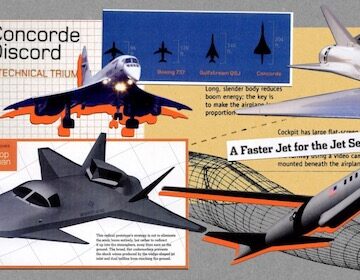
But no one else would. So Shurcliff launched the Citizens League Against the Sonic Boom and took aim at the most expensive project in U.S. commercial aviation history at the time, the Supersonic Transport (SST) program...
Supersonic jets want a comeback. But can Americans stand the boom?(opens in new tab)
Many thanks to Sarah Durn, Popular Science Associate Editor.
Enjoyed this story? You might like "December 17, 1903: The Wright brothers take flight, drama ensues" in Popular Science